
Summer camps have long been a cherished tradition, fostering an environment where children can explore a diverse array of activities that enhance both their physical and mental faculties. These camps provide a unique opportunity for kids to experience independence, grow socially, and develop practical skills in a safe and nurturing setting. The multifaceted nature of camps means that children are constantly engaging in new experiences, from high-adrenaline adventures to creative arts and sports, ensuring that there is something to capture every camper’s interest. Not only do summer camps offer a treasure trove of learning through play and activity, but they also build essential life skills such as teamwork, resilience, and problem-solving. This article delves into the exciting activities commonly found at summer camps, providing insight into how they contribute to a well-rounded developmental experience.
What are the most exciting adventure activities at summer camps?
Hiking and Nature Trails
Hiking and exploring nature trails rank high on the list of exciting summer camp activities. These adventures not only promote physical fitness through walking and climbing but also offer invaluable lessons in environmental awareness. Campers learn to appreciate the beauty and diversity of the natural world while being educated on ecosystem preservation and trail etiquette. Safety is paramount, with camps ensuring that campers understand how to tread carefully in nature, wear appropriate gear, and recognize wildlife habitats. It’s not uncommon for young adventurers to feel a sense of accomplishment after completing a trail, boosting their confidence and fostering a love for the outdoors.
Rock Climbing and Zip Lining
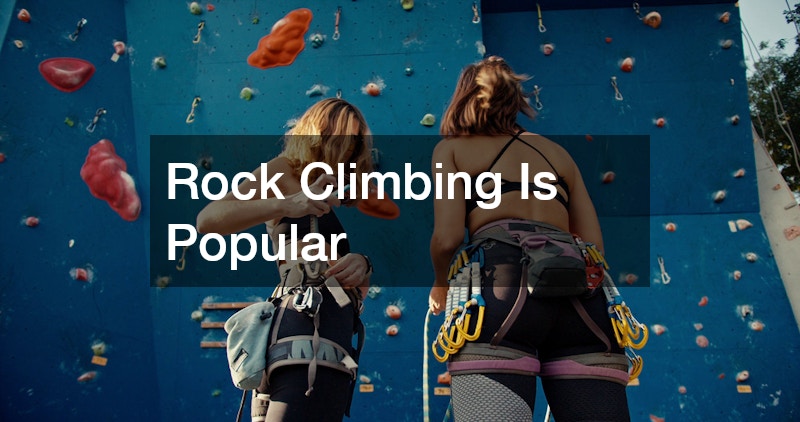
For thrill-seekers, rock climbing and zip lining provide a perfect combination of excitement and skill development. These activities challenge campers to conquer their fears as they scale rock walls or soar through the air, securely harnessed and guided by trained instructors. Beyond the adrenaline rush, rock climbing enhances problem-solving skills and builds muscle strength, while zip lining offers a unique aerial perspective of the camp’s beautiful surroundings. Both activities are crafted to ensure safety but also push campers to step outside their comfort zones, significantly contributing to their self-esteem. The supportive camp environment encourages camaraderie as peers cheer each other through these exhilarating experiences.
Water Sports Adventures
Water sports are synonymous with summer fun, and many camps offer an array of activities such as kayaking, canoeing, and paddleboarding. These water-based adventures serve as an excellent way for campers to beat the heat while learning new skills. Kayaking and canoeing teach balance and coordination, while paddleboarding presents a full-body workout that can be both relaxing and challenging. Participating in these activities promotes water safety awareness and instills respect for aquatic ecosystems. Camps often create a structured environment where beginners can learn the basics, progressing to more advanced techniques as they grow in confidence and competence.
Team-Building Ropes Courses
Ropes courses are designed to foster teamwork, communication, and problem-solving among campers. These courses typically involve a series of suspended obstacles that participants must navigate with the assistance of their teammates. Through ropes courses, campers learn to trust and support one another, enhancing their collaborative skills and understanding of leadership. The challenges presented by ropes courses mimic real-life scenarios where group cooperation is crucial, making these activities both educational and entertaining. The sense of achievement upon completion of a course is often shared, creating lasting bonds and memories among campers.
Wilderness Survival Skills
Teaching wilderness survival skills is an integral part of many summer camp programs, equipping children with basic knowledge to thrive in nature. Skills such as building shelters, learning to use a compass, and creating a fire without matches are not only fascinating but also practical. These activities encourage critical thinking and resourcefulness, teaching campers how to harness natural resources responsibly. Instructors emphasize the importance of respecting nature while imparting the dos and don’ts of surviving in the wild, ensuring that campers leave with both valuable skills and a heightened respect for the environment. This hands-on experience can be both empowering and transformative for young minds.
How do summer camps incorporate creative arts into their programs?
Crafting and Painting Workshops
Crafting and painting workshops are fundamental ways summer camps foster creativity among campers. These sessions provide children with the opportunity to express themselves through a variety of mediums, from painting vibrant canvases to creating unique crafts with diverse materials. Artistic activities encourage imaginative thinking and innovation, helping campers discover new ways to communicate and inspire themselves and others. Many camps incorporate themes into their art programs, expanding on lessons of history, culture, or nature to add depth to the projects. These workshops not only hone fine motor skills but also offer therapeutic benefits, allowing children to relax and find joy in artistic expression.
Drama and Theater Productions
Drama and theater activities are a beloved feature of many summer camp arts programs, offering campers a stage to express their creativity and improve their communication skills. From acting and directing to set design and scriptwriting, theater productions at camp are a collaborative effort that involves all aspects of a performance. Participation in theater helps children develop confidence as they perform before peers and family, cultivating public speaking skills and emotional intelligence. Camps often emphasize the importance of character development, teamwork, and dedication to bringing a play from script to stage. Engaging in these theatrical pursuits can have a lasting positive impact on campers, extending beyond camp into personal and academic life.
Music and Dance Classes
Music and dance are integral components of creative arts at summer camps, promoting artistic expression and cultural appreciation. Whether learning a musical instrument, exploring vocal techniques, or dancing to diverse rhythms, campers are exposed to a wide range of cultures and styles. These classes enhance auditory and kinesthetic skills, encouraging children to find their rhythm and express emotion through melody and movement. Camps often host talent shows or cultural evenings, providing platforms for campers to showcase their musical achievements. By providing such experiences, camps not only nurture musical talents but also foster broad appreciation for the arts.
Photography and Video Editing
With the advent of technology, photography and video editing have become popular creative outlets at summer camps. As campers engage with cameras and editing software, they learn the fundamentals of visual storytelling and technical skills. These activities empower children to see the world from different perspectives, capturing moments that convey emotion, action, and beauty. Camps often integrate nature photography sessions or create documentary-style videos that depict camp life, allowing campers to showcase their skills. By participating in these activities, campers not only build a digital skill set but also engage in critical thinking as they plan, shoot, and edit their projects.
Culinary Arts and Cooking Sessions
Summer camps frequently offer culinary arts sessions, turning the kitchen into a playground for experiential learning. Cooking sessions help campers explore the world of food through hands-on activities that teach basic cooking techniques, nutrition, and kitchen safety. These classes often highlight global cuisines, encouraging participants to broaden their palates and understand varied food cultures. Cooking is a collaborative activity that fosters teamwork and communication, as campers work together to create delicious meals. Moreover, the satisfaction of sharing one’s creations cultivates a sense of achievement and confidence in young chefs, encouraging them to continue culinary arts beyond the camp kitchen.
What are some popular sports activities at summer camps?
Team Sports: Soccer and Baseball
Team sports such as soccer and baseball are staples of summer camp experiences, emphasizing the importance of teamwork and competition. These sports help campers hone motor skills, improve cardiovascular health, and work collaboratively toward a shared goal. Participation in team sports promotes sportsmanship and discipline, as campers learn the value of practice, strategy, and perseverance. Soccer and baseball tournaments are popular events at many camps, building excitement and camaraderie among campers and staff alike. These activities foster lifelong memories and friendships, extending beyond camp borders and contributing to a supportive community atmosphere.
Racket Sports: Tennis and Badminton
Racket sports like tennis and badminton are prevalent choices at summer camps, offering a balance of skill, agility, and mental focus. These sports challenge campers to improve their hand-eye coordination, reflexes, and strategic thinking as they engage in matches or practice drills. Tennis and badminton can be enjoyed both competitively and socially, making them accessible to a wide range of skill levels. By providing opportunities to learn and play racket sports, camps encourage an active lifestyle and an appreciation for individual growth and achievement. Whether practicing on their own or participating in friendly competitions, campers develop both technical skill and confidence.
Swimming and Diving Competitions
Swimming and diving are popular aquatic activities that provide both fitness and fun. Swimming lessons at camp prioritize safety and skill development, teaching campers various strokes and techniques to build their abilities and confidence in the water. Diving competitions often introduce elements of challenge and friendly rivalry, with participants showcasing flips, twists, and dives to an encouraging audience. Swimming meets not only test stamina and speed but also foster a strong sense of community and support among participants. Integrating these activities into camp offerings ensures that campers benefit from enhanced physical health, improved coordination, and the sheer enjoyment of water-based activities.
Archery and Target Shooting
Archery and target shooting are precision-based sports that have found a dedicated following at summer camps. These activities offer campers the chance to develop focus, patience, and accuracy as they learn to aim and hit targets. Archery, in particular, is often connected to historical or cultural themes, enriching the experience. Instructors emphasize safety protocols and provide guidance in proper technique, ensuring that campers develop skills in a secure environment. The sense of accomplishment that comes with mastering archery or target shooting can be highly rewarding, contributing to a camper’s self-esteem and discipline.
Track and Field Events
Track and field events are a dynamic part of many summer camp programs, promoting overall athleticism and healthy competition. Races, relays, and jumping events encourage campers to push their physical limits while emphasizing the spirit of personal best and sportsmanship. Track and field offers a range of opportunities for campers of various strengths, allowing individuals to discover and nurture their athletic talents. These activities build endurance and strength and offer moments of celebration and achievement as campers cross finish lines or set personal records. Camps often feature end-of-camp sports days or Olympics-style events, enhancing community spirit and enjoyment of the sports.
How do summer camps promote environmental awareness?
Recycling and Sustainability Workshops
Many summer camps incorporate recycling and sustainability workshops to educate campers about environmental stewardship. These sessions emphasize the importance of reducing waste, understanding the impact of pollution, and adopting eco-friendly habits in everyday life. Through interactive activities, campers learn how to sort recyclables, repurpose materials, and engage in sustainable practices at camp and home. Camps aim to inspire the younger generation to embrace ecological responsibility as a vital step towards preserving the environment for future generations. Workshops often highlight the interconnectedness of human actions and natural ecosystems, fostering a deep respect for the planet.
Gardening and Eco-Friendly Projects
Gardening activities provide campers with hands-on experience in plant care and ecological awareness. By tending to gardens, campers learn about the life cycle of plants, the importance of biodiversity, and the role of plants in maintaining a healthy environment. Campers often create eco-friendly projects, such as composting or building birdhouses, to engage with sustainable living principles. Gardening offers a tactile and visual connection to environmental conservation, promoting patience and nurturing behavior. These experiences help instill a lasting appreciation for nature, encouraging campers to continue practicing sustainability outside camp settings.
Wildlife Education and Conservation
Wildlife education programs are an integral part of promoting environmental awareness at summer camps. These programs introduce campers to local ecosystems, teaching them about native wildlife and conservation efforts aimed at protecting various species. Camps often organize guided nature walks, wildlife observation sessions, and conservation projects to foster an understanding of the natural world. By learning about flora and fauna, campers gain insights into the importance of maintaining balanced ecosystems and protecting endangered species. The knowledge acquired through these activities empowers campers to become advocates for wildlife preservation in their communities.
Water Conservation and Clean-Up Days
Water conservation initiatives and cleanup days are effective ways camps instill the values of environmental responsibility. Campers participate in activities that demonstrate the impact of human actions on water resources and the importance of protecting aquatic environments. Clean-up events, such as lakeshore or riverbank rubbish collections, offer practical experiences in community service and environmental stewardship. These activities emphasize the significance of water as a precious resource that sustains life and the need for diligent conservation efforts. By actively engaging in conservation projects, campers develop a sense of personal accomplishment and environmental consciousness.
Nature-Based Science Experiments
Nature-based science experiments at summer camps provide a hands-on approach to exploring environmental sciences. Through engaging experiments, campers learn about natural phenomena such as soil composition, plant growth, and ecological interactions. The use of natural materials and observations encourages critical thinking and inquiry, as campers formulate hypotheses and analyze results. Science activities at camp often foster curiosity and a deeper appreciation for the natural world, highlighting the joy of discovery and the importance of scientific exploration in understanding the environment. These educational experiences reinforce the idea that nature and science are intertwined, inspiring campers to continue their environmental exploration beyond camp.
What are some benefits of attending summer camp?
Development of Social Skills
One of the primary benefits of attending summer camp is the development of social skills that occur in an inclusive and supportive environment. Camp provides countless opportunities for children to interact with peers and mentors, fostering friendships and teaching effective communication. Through group activities and cooperative living arrangements, campers learn conflict resolution, empathy, and respect for diverse perspectives. Being part of a camp community helps children build a sense of belonging and encourages them to develop their interpersonal dexterity. These skills transcend camp life, significantly enhancing children’s social competence in other settings such as school, family gatherings, and community events.
Building Independence and Responsibility
Summer camps are beneficial in nurturing independence and a sense of responsibility among young individuals. Away from the comfort of home, campers learn to navigate daily routines and challenges, building their ability to solve problems independently. Meals, chores, and scheduled activities require campers to manage their time and take responsibility for their actions. Camps also empower children to make decisions and understand the consequences, which are key components of personal growth. By fostering a sense of autonomy, camps prepare children for future responsibilities, aiding them in becoming self-reliant and capable adults.
Enhanced Physical Health and Well-Being
Participating in summer camp activities promotes enhanced physical health and well-being through a wide array of active pursuits. Sports such as soccer, swimming, and hiking improve cardiovascular health, strength, and coordination, helping campers develop healthy habits. The outdoor setting of many camps encourages engagement with nature, enhancing mental well-being and stress relief through fresh air and physical exercise. Regular activities at camp teach children the importance of staying active for physical and emotional health, cultivating lifelong healthy practices. Furthermore, the fun and camaraderie experienced during these activities contribute positively to the overall camp experience, reinforcing enjoyment in being active.
Increased Confidence and Self-Esteem
Attending summer camp can lead to a significant boost in confidence and self-esteem, stemming from the new experiences and accomplishments achieved. By stepping outside their comfort zones and tackling challenges such as public speaking in theater or conquering a hiking trail, campers build a sense of pride and self-assurance. The supportive environment of camp, combined with positive reinforcement from peers and instructors, provides the confidence needed to take risks and try new things. Building confidence at camp can have a ripple effect, encouraging children to be more assertive and self-reliant in various life situations. The transformative experience of succeeding at camp creates a foundation for continued personal growth and self-belief.
Cultivation of New Interests and Skills
Summer camps offer a plethora of activities that expose children to new interests and skills, widening their horizons and inspiring lifelong passions. With diverse offerings in art, science, sports, nature, and more, campers are encouraged to explore and discover activities they may not have encountered outside of camp. The opportunity to try new things without the pressure of mastery fosters curiosity and experimentation, fueling a camper’s desire to learn and grow. Whether it’s learning a new instrument, mastering a sport, or developing a talent for cooking, camps encourage children to pursue their interests passionately. These experiences often ignite a lifelong journey of exploration and skill development, benefiting not only campers’ personal lives but also their future careers and hobbies.
Summer camps offer an enriching experience that blends a diverse range of activities with countless developmental benefits, nurturing both body and mind for the younger generation. Whether through adventure, creative arts, sports, or environmental education, camps provide meaningful opportunities for campers to grow, learn, and form lasting memories. The impact of camp extends beyond the fun and excitement of daily activities, as children return with newfound skills, confidence, and friendships that shape their lives beyond summer. By embracing the unique environment of camp, children develop a stronger sense of self, becoming more socially adept, responsible, and environmentally conscious individuals. The profound benefits of camp create a lasting legacy—one of joy, curiosity, and empowerment, inviting campers to carry forward these lessons and summer camp activities into future endeavors.